You have landed at Jomo Kenyatta International Airport with a big suitcase, a camera bag, and a small mountain of stuff you packed “just in case.” Now someone tells you the plane to your safari camp only takes 15 kilograms, in a soft bag, no wheels, no hard shell. Where does the rest of it go for the next five days?
This is one of the most common questions we get from first-time travelers at Valley Safaris. Luggage storage in Nairobi before a safari is easier to sort out than it sounds, and most options cost less than a cup of coffee a day, or nothing at all. Here is the honest breakdown.
Why You Need Luggage Storage in Nairobi Before a Safari
Most fly-in safaris in Kenya use small aircraft operated by Safarilink, AirKenya, or similar carriers flying out of Wilson Airport in Nairobi. These planes are strict about weight because every extra kilogram affects fuel and balance. The standard rule is 15kg total per person, packed in a soft duffel bag, not a hard suitcase, because soft bags fold into tight cargo holds.
That 15kg has to cover your clothes, shoes, and any camera gear. If you arrived in Nairobi with a 23kg checked bag from your international flight, you are almost always over the limit. This is why nearly every fly-in safari traveler ends up needing somewhere in Nairobi to leave the overflow: city clothes, spare shoes, chargers you will not need in the bush, that second suitcase you almost did not bring.
If you are still deciding on the trip itself, it helps to think about packing at the same time you are deciding between a tented camp and a lodge, since lodges are generally more forgiving on space and camps stick closer to the strict weight limit.
Hotel Storage: The Easiest Trick
If you are staying in Nairobi before and after your safari, this is usually your best option, and it is often free. Most Nairobi hotels will hold a locked bag for guests who have a confirmed return booking. This includes the Nairobi Serena Hotel, Sarova Stanley, Fairview Hotel, and the Wildebeest Eco Camp in Karen. The trick is simple: book the same hotel for both your arrival night and your post-safari night. Tell the front desk when you check in that you will be storing a bag while you are away, and they will tag it and lock it in a back room or storage closet.
This works even if you only stay one night before flying out to the bush. Hotels do this constantly for safari guests, so front desk staff will not blink. It costs nothing beyond your room rate, and you are handing your bag to people who already know your name and room history, which feels safer than a stranger’s storage locker.
Airport Storage: JKIA vs Wilson Airport
Two airports matter here, and they serve different purposes.
JKIA (Jomo Kenyatta International Airport) has a left luggage counter in the arrivals area, staffed and operating 24 hours a day. It is a good option if you are not staying in a Nairobi hotel at all. Say you have a tight connection before flying to Wilson Airport for your safari plane. Expect to pay in the range of $15 to $20 per bag per 24 hours, which is on the higher end compared to other options in the city.
Wilson Airport, about 7km from the city center and roughly 20 minutes from JKIA in normal traffic, is where nearly all safari light aircraft depart. Wilson does not have a large public storage counter like JKIA. Many ground handling desks and safari operator offices based there will hold a bag for the length of your trip. Sometimes it is free. Sometimes there is a small daily fee, around $5 to $10. This is worth asking about directly when you check in for your flight, since it saves you a trip back into the city.
Third-Party Storage Services and Apps
If your hotel cannot help, or you are not staying in a fixed spot, third-party apps can help. Stasher, LuggageHero, Nannybag, and Radical Storage list partner shops, cafes, and small hotels around Nairobi. You can drop a bag by the hour or day. Pricing generally runs $5 to $8 per bag per day. Most listings include theft and damage insurance up to a set value, which is worth checking before you book. These services are useful if you land in Nairobi, have a few hours free, and want to explore before your onward flight, since you can drop your bag near wherever you plan to spend the day.
Tour Operator Storage: Often Free
Here is the option most first-time travelers do not know about. Many Nairobi-based safari companies, Valley Safaris included, will store your extra luggage at our office for the full length of your trip at no charge. The only condition is that you booked your safari through us. This is the option we recommend most, because your bag stays with people who are tracking your itinerary and know exactly when you land back in Nairobi. There is no app to manage, no receipt to lose, and no daily fee adding up while you are out watching lions in the Maasai Mara.
The trade-off is honesty worth stating plainly: free operator storage is not insured the way a paid app-based service is. For a spare pair of shoes and city clothes, that is a fair trade. For anything valuable, use a paid, insured option instead.
Pricing Comparison Table
| Storage Option | Location | Distance from CBD | Approx. Price | Hours |
|---|---|---|---|---|
| JKIA Left Luggage | JKIA arrivals hall | ~15 km | $15-20 per bag/24hrs | 24/7 |
| Wilson Airport handler/operator desk | Langata Road, Wilson Airport | ~7 km | Free-$10 per day | Flight hours, roughly 6am-6pm |
| Hotel storage (same-hotel booking) | Varies (e.g. Nairobi Serena, Fairview, Wildebeest Eco Camp) | City center or Karen | Usually free with booking | Hotel reception hours |
| Stasher/LuggageHero/Nannybag | Partner shops citywide | Varies | $5-8 per bag/day | Varies by location |
| Tour operator office storage | Varies by operator, often Westlands or near Wilson | Varies | Usually free with safari booking | Business hours |
Prices above are indicative ranges based on typical 2026 listings and should be confirmed directly with the provider, since rates shift with demand and season. If you are working out your overall trip costs, this is a good line item to fold into budgeting for extra costs like luggage storage. Even the paid options rarely add more than $10 a day.
Safety and What Not to Leave in Storage
Whichever option you choose, keep a few things with you at all times rather than in stored luggage: passports, cash, medication, camera memory cards, and travel insurance documents. Hotels and operators are generally reliable, but no storage option, free or paid, should ever hold your passport or valuables you cannot easily replace. Pack these in a small daypack that flies with you to camp.
If you are using a third-party app service, photograph the contents of your bag before you hand it over, and confirm the insurance value covers what is inside. For hotel and operator storage, ask for a written tag or claim ticket, even an informal one, so there is no confusion when you return.
What to Do in Nairobi While Your Bags Are Stored
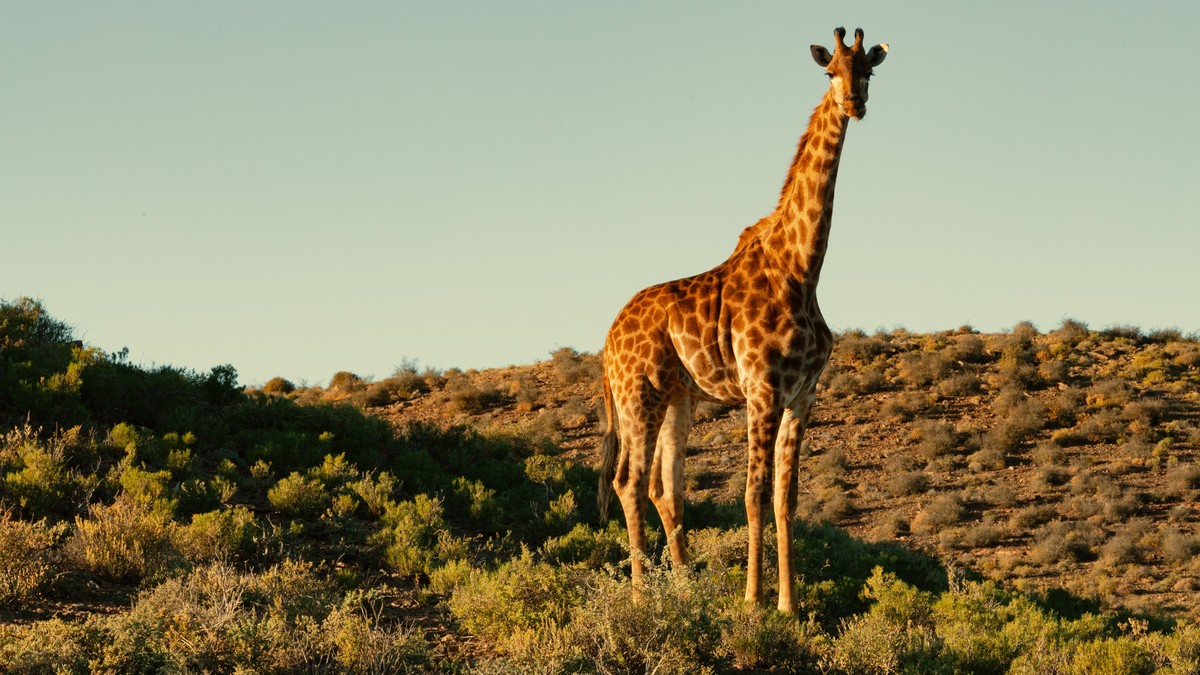
Once your bag is dropped off, you likely have a few hours or a full day before your flight to the bush. Nairobi rewards that time well. You can spend your Nairobi layover at the Giraffe Centre or elephant orphanage. Both are a short drive from Wilson Airport, and both are easy to fit into a half day. The Giraffe Centre lets you hand-feed Rothschild’s giraffes at close range, and the Sheldrick Wildlife Trust elephant orphanage runs a public visiting hour each morning. Both are well worth the detour before your safari plane takes off.
The Valley Safaris Difference
We plan trips for people who have never done this before, and packing logistics trip up almost everyone. When you book your safari with Valley Safaris, we sort out your Nairobi luggage storage as part of the planning conversation. It is not an afterthought you scramble to solve the night before your flight. We tell you exactly what your specific safari plane allows. We coordinate with hotels on your behalf when a same-hotel booking makes sense. And we hold your extra bags at our office for free for the length of your trip. You land, you hand us the bag you will not need, and you go watch the wildebeest cross the Mara River instead of worrying about a suitcase.
Ready to Plan Your Safari?
If you are working out the details of a first safari, from packing to permits to picking the right camp, we would love to help you plan it properly. Visit our tours page to see current safari itineraries, or reach out through our contact page to start the conversation.